Paper Coffee Cup Realistic 3d Mockup
If you are looking to elevate your brand's visual identity, the Paper Coffee Cup Realistic 3d Mockup is not just a file; it is a strategic asset. In a crowded market where consumers scroll past hundreds of images daily, a flat design often fails to capture attention. However, a high-quality presentation that mimics real-world conditions can bridge the gap between a concept and a tangible product. This tool allows designers, entrepreneurs, and marketers to visualize their branding in a context that feels authentic, helping potential customers imagine holding the cup in their hands before they even see the physical prototype.
Many people underestimate the power of isolation and lighting when presenting their work. A common mistake is assuming that any image with a coffee cup will suffice for promotional materials. Without proper realism, your design might look cheap or unfinished, leading to a loss of credibility. The goal is to create a seamless transition from digital file to physical reality, ensuring that every curve, shadow, and texture contributes to a professional narrative.
Understanding the Value of Isolation on White Backgrounds
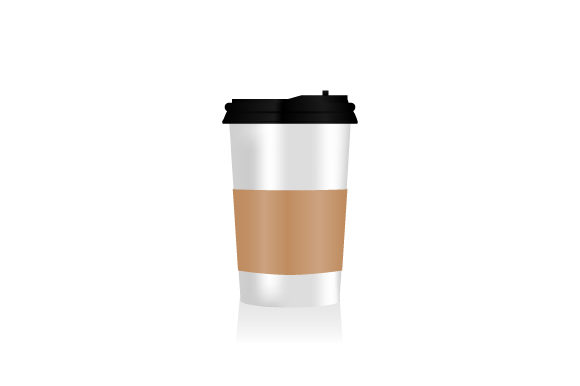
One of the most critical features of this specific mockup set is the isolated presentation on a white background. While some designers prefer complex environments to show scale, there is a distinct advantage to keeping things clean and focused. When you present a Paper coffee cup realistic 3d mockup design isolated on white background, you eliminate distractions. The viewer's eye goes straight to the logo, the typography, and the color palette you have chosen.
This approach is particularly effective for e-commerce listings, social media ads, and portfolio presentations. It ensures that your branding elements remain the hero of the image. If you clutter the scene with too much context, you risk diluting the message. By using an isolated view, you provide clarity and precision, which are essential for communicating your brand's values effectively.
Avoiding Common Pitfalls in Selection and Usage
Even with high-quality assets, mistakes happen when users do not fully understand the technical specifications or the intended application. One frequent error is selecting a mockup that does not match the actual dimensions of your physical cup. If your design is tailored for a standard 12oz cup but the mockup represents a large 20oz travel mug, the proportions will look distorted. This mismatch can make your brand appear unprofessional and careless. Always verify the size specifications of the template before applying your artwork.
Another overlooked detail involves the resolution and format compatibility. Some users download low-resolution files that appear pixelated when printed or viewed on high-definition screens. This degradation in quality directly impacts the perceived value of your product. To avoid this, ensure that the source files support the highest possible output standards. The inclusion of multiple formats like AI, EPS, JPG, and PNG is crucial because it gives you flexibility across different platforms.
- AI and EPS: These vector-based formats are ideal for printing large banners or signage where scaling without loss of quality is necessary. They allow for precise editing of layers and shapes.
- JPG: Perfect for web use where file size matters, though be mindful of compression artifacts if you need to re-edit the image later.
- PNG: Essential for designs requiring transparency or when you need to overlay the cup onto other backgrounds without a white box surrounding it.
Failing to choose the right format for the right medium can lead to wasted time and resources. For instance, trying to print a rasterized JPG at a large size will result in blurry text, whereas an AI file would remain crisp. Understanding these nuances saves you from costly reprints and redesigns.
Maximizing Efficiency Through Proper Workflow
Efficiency is key for freelancers and small business owners who wear many hats. A well-organized mockup workflow can save hours of manual labor. Instead of manually drawing shadows or adjusting perspective angles, a realistic 3D mockup handles the heavy lifting. However, relying solely on the default settings can sometimes yield suboptimal results. You should take the time to adjust the lighting and texture maps to match your specific environment.
For example, if your coffee brand targets an eco-conscious audience, you might want to tweak the paper texture to look slightly rougher or more organic rather than perfectly smooth. This subtle adjustment adds authenticity and emotional resonance to your presentation. Conversely, if you are marketing a premium luxury blend, a sleek, glossy finish might be more appropriate. The ability to customize these details transforms a generic template into a bespoke marketing tool.
It is also important to consider the psychological impact of your presentation. A realistic mockup builds trust. When customers see a product that looks ready for production, they are more likely to engage with the brand. On the other hand, a poorly executed design can raise doubts about the quality of the actual product. Therefore, paying attention to the fine details—such as the reflection on the lid or the fold of the sleeve—is not just aesthetic; it is a matter of consumer confidence.
What to Check Before Finalizing Your Design
Before you hit the export button, run through a quick checklist to ensure your presentation is flawless. First, check the alignment of your logo. Even a slight tilt can ruin the illusion of reality. Second, verify the contrast levels. Does your text stand out clearly against the cup's color? Third, ensure that the file size is optimized for its intended use. Large files slow down websites, while small files look pixelated.
Additionally, consider the versatility of the Paper Coffee Cup Realistic 3d Mockup. Can it be easily adapted for different campaigns? If you plan to launch a seasonal promotion, having a base file that allows for quick changes in color or graphics is invaluable. The provided formats give you the freedom to experiment without starting from scratch each time. This adaptability is what separates a one-time project from a sustainable design strategy.
In conclusion, investing in a high-quality Paper Coffee Cup Realistic 3d mockup is an investment in your brand's future. By avoiding common mistakes regarding size, format, and customization, you can create presentations that truly shine. Whether you are a beginner learning the ropes or a seasoned pro launching a new product line, these tools offer the precision and realism needed to communicate your vision effectively. Take the time to explore the capabilities of the included files, and you will find that the difference between a good design and a great one lies in the details.