Simple 3d Mobile Cover Mockup Design: Elevating Your Brand Presentation
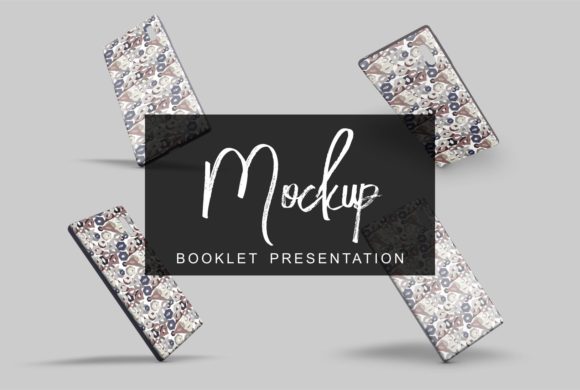
In the digital marketplace, first impressions are everything. When you have spent hours perfecting a design for a mobile cover, the last thing you want is to present it in a flat, uninspiring format that fails to capture its true potential. This is where a Simple 3d Mobile Cover Mockup Design becomes an indispensable tool for creators and businesses alike. It bridges the gap between a flat digital file and a tangible product, allowing you to showcase your artwork in a realistic, three-dimensional context.
This resource is not merely a template; it is a strategic asset designed to make the best impression of your design. By utilizing well-organized layers and intuitive smart object technology, this mock-up transforms the way you present your portfolio, market your products, or pitch ideas to clients. Whether you are a graphic designer looking to impress a new client or a business owner launching a line of custom phone cases, understanding how to leverage this tool can significantly enhance your professional output.
The Power of Realistic Visualization
Why does the presentation matter so much? In the absence of physical samples, customers and clients rely entirely on visuals to judge quality. A flat image of a design on a white background often looks generic and lacks depth. Conversely, a high-quality 3D render provides context, lighting, shadows, and texture that make the design feel real.
A Simple 3d Mobile Cover Mockup Design achieves this by simulating the curvature of a phone case, the reflection of light on the material, and the subtle imperfections of a physical object. This level of detail helps viewers visualize the final product accurately, reducing uncertainty and increasing confidence in the purchase or approval process. It turns a simple graphic into a compelling story about a finished product.
Key Features That Drive Efficiency
One of the primary challenges with many design resources is complexity. Users often find themselves struggling with unorganized files, confusing layer structures, or outdated software requirements. The solution lies in a mock-up built with user experience in mind. This specific design is based on an organized and named layer structure, making it highly customizable without requiring advanced Photoshop skills.
The core of its utility comes from the use of smart objects. These are dynamic elements that allow you to place your own images directly onto the mock-up while automatically adjusting them to fit the perspective and contours of the phone case. You do not need to manually warp, stretch, or blend your artwork. Instead, the software handles the technical adjustments, ensuring your design looks perfectly applied every time.
- Well Organized Layers: All components are grouped logically, making it easy to navigate the file and locate specific elements like shadows, highlights, or background textures.
- Named Groups: Clear labeling eliminates guesswork, allowing designers to work faster and more efficiently.
- Quick Customization: The workflow is streamlined for speed, enabling rapid iteration and testing of different design concepts.
Practical Applications for Professionals and Creators
The versatility of this tool extends across various industries and use cases. For freelance graphic designers, these mock-ups are essential for building a portfolio that stands out. When pitching a rebranding project or a new product line, showing the client a realistic rendering of their logo on a phone case creates an immediate emotional connection and demonstrates the value of your work.
For e-commerce entrepreneurs, the application is even more direct. Before manufacturing thousands of units, it is wise to test the market appeal of a design. Using a Simple 3d Mobile Cover Mockup Design, you can create high-resolution marketing materials for social media ads, website listings, and crowdfunding campaigns. This allows you to gauge interest without incurring the cost of physical prototyping.
Furthermore, interior decorators and event planners who offer personalized gifts can use these visuals to show clients exactly what their custom designs will look like. The ability to quickly swap out patterns and colors means you can offer a personalized service that feels bespoke and tailored.
How to Get Started: A Step-by-Step Guide
Implementing this tool into your workflow is straightforward, provided you follow the correct sequence. The process is designed to be quick and easy, minimizing the learning curve for users of all skill levels. Here is the standard procedure to customize your mock-up:
- Download Main ZIP File: Begin by acquiring the package containing all necessary assets.
- Extract Unzip the File: Use your preferred extraction tool to unzip the folder and access the contents.
- Open the PSD: Launch Adobe Photoshop and open the main document file (usually labeled as .PSD).
- Double Click Smart Object Layer: Locate the specific layer designated for your artwork. Double-clicking this thumbnail will open a separate window.
- Place Your Object Image: Drag and drop your design file into the opened window. Save the changes within this window, then close it to see your design instantly mapped onto the 3D cover.
This method ensures that your original artwork remains editable and non-destructive. If you decide later to change the color or pattern, you simply repeat the process, and the mock-up updates immediately.
What Is Included in the Package?
To ensure you have everything needed to succeed, the download package is comprehensive. It typically includes the following essential files:
- Zip file: The compressed archive containing the entire project.
- PSD File: The fully editable Photoshop document with all layers intact.
- Jpeg Preview: A ready-to-use image file for quick viewing or sharing without opening Photoshop.
- Help file: Documentation offering additional tips, troubleshooting advice, and detailed instructions for any specific features.
Evaluating Suitability for Your Needs
While this tool offers significant advantages, it is important to understand its limitations to set realistic expectations. A Simple 3d Mobile Cover Mockup Design relies on pre-rendered lighting and geometry. While highly effective for most standard presentations, it may not perfectly replicate complex material interactions, such as transparent overlays with intricate refraction or highly textured surfaces like velvet or carbon fiber, unless specifically modeled in the source file.
Additionally, the quality of the final output depends heavily on the resolution of the image you place inside the smart object. Always ensure your source artwork is high-resolution to avoid pixelation when zoomed in on the mock-up. However, for the vast majority of commercial and personal projects, the balance between ease of use and visual fidelity makes this approach superior to creating 3D models from scratch.
Conclusion: Making the Best Impression
In a crowded digital landscape, the difference between being noticed and being ignored often comes down to presentation. By adopting a Simple 3d Mobile Cover Mockup Design, you are investing in a workflow that prioritizes clarity, professionalism, and efficiency. The well-structured style of the mock-up ensures that you spend less time wrestling with technical settings and more time focusing on your creativity.
Whether you are showcasing a new collection to investors, updating your online store, or refining your personal brand, this tool provides the platform you need to make the best impression of your design. With its organized layers, customizable smart objects, and user-friendly interface, it stands as the perfect way to bring your artwork to life before it ever hits the shelves.
Take the next step in elevating your design presentation. Explore the possibilities of realistic visualization and discover how a well-executed mock-up can transform your creative output into tangible success.