Transforming Digital Spaces with Abstract Banner Backgrounds and Curved Stripe Layers
In the fast-paced world of digital design, capturing attention within a split second is no longer just an advantage; it is a necessity. Abstract Banner Backgrounds have emerged as a cornerstone of modern visual communication, offering a sophisticated alternative to static, flat imagery. When combined with curved stripe layers that incorporate a 3D shadow effect, these designs transcend mere decoration to become dynamic focal points that guide the viewer's eye and convey depth.
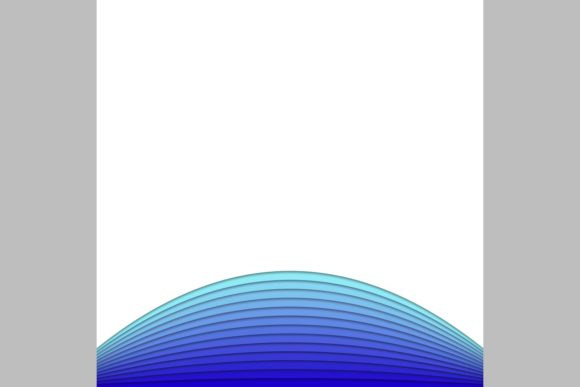
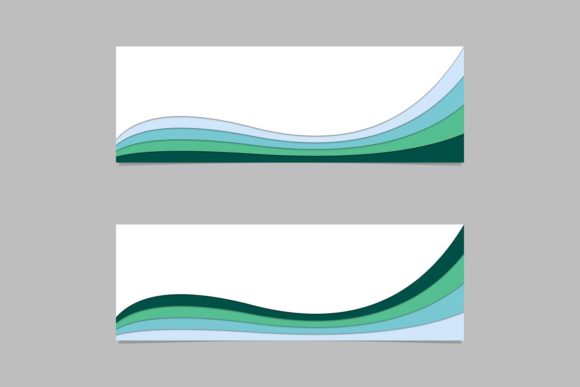
The specific aesthetic described—a vector design featuring curved stripes with a distinct three-dimensional shadow rendered in high-resolution formats like JPG 5000x5000 or editable EPS files—represents a convergence of technical precision and artistic flair. This approach allows designers to create assets that are not only visually striking but also incredibly versatile across various platforms.
The Power of Depth: Why 3D Shadow Effects Matter
Gone are the days when web banners were limited to two-dimensional rectangles filled with solid colors or simple gradients. Modern users have been conditioned by high-end mobile applications and cinematic interfaces to expect a sense of realism and tactile quality from their screens. The inclusion of a 3D shadow effect on curved stripe layers is the key differentiator here.
When you layer curved stripes and apply shadows, you create an illusion of elevation. This technique, often referred to as "neumorphism" or "soft UI" depending on the intensity, adds weight and presence to the design elements. In the context of Abstract Banner Backgrounds, this depth serves a functional purpose beyond aesthetics:
- Visual Hierarchy: Shadows naturally draw the eye. By manipulating the angle and opacity of the shadow on curved lines, designers can subtly direct attention toward specific areas of the banner without using bold text or bright buttons immediately.
- Separation and Clarity: In complex layouts where multiple elements compete for space, the 3D effect creates a clear separation between the background layers and the foreground content. This ensures that your headline or call-to-action remains legible even against a busy backdrop.
- Emotional Engagement: A flat design can feel cold or distant. The soft, rounded curves paired with realistic lighting effects evoke a sense of comfort and approachability, making the brand feel more human and accessible.
The Strategic Advantage of Vector Formats (EPS) and High-Res Raster (JPG)
One of the most critical considerations when selecting a design asset is its format. The specification of a vector EPS file alongside a JPG 5000x5000 version offers the ultimate flexibility for professional workflows. Understanding the distinction between these two formats is essential for anyone looking to integrate Abstract Banner Backgrounds into large-scale projects.
Vector EPS Files: The Blueprint for Versatility
Scalable Vector Graphics (SVG) and Encapsulated PostScript (EPS) files are composed of mathematical paths rather than pixels. This means that a banner designed with curved stripe layers can be scaled up to the size of a billboard or down to a tiny social media icon without losing a single pixel of clarity. For agencies working on rebranding campaigns that require consistent imagery across print and digital media, the EPS format is non-negotiable. It allows designers to:
- Adjust the curvature of the stripes to fit different aspect ratios.
- Recolor the layers to match seasonal themes or new brand guidelines instantly.
- Isolate specific shadow effects to tweak the lighting direction.
JPG 5000x5000: The Ready-to-Use Powerhouse
While vectors offer editability, sometimes speed is the priority. A JPG 5000x5000 file provides a massive resolution canvas. With 25 million pixels, this image retains incredible detail even when cropped heavily or displayed on Retina displays and 4K monitors. This high resolution ensures that the gradient transitions in the curved stripes remain smooth, avoiding the jagged edges that can ruin a premium look. It is the perfect choice for immediate deployment in email headers, website hero sections, or digital ad placements where editing time is limited.
Crafting Modern Workflows with Curved Design Elements
The integration of Abstract Banner Backgrounds into modern design workflows has simplified the process of creating cohesive visual identities. The use of curved stripe layers is particularly effective because it mimics organic movement. Unlike rigid geometric shapes that can feel industrial or aggressive, curves suggest flow, continuity, and fluidity.
This style fits seamlessly into industries ranging from technology and finance to lifestyle and healthcare. Consider a fintech company launching a new app. They might use deep blue and silver curved stripes with subtle 3D shadows to imply stability, security, and forward momentum. Conversely, a wellness brand might opt for pastel gradients with softer shadows to evoke relaxation and natural harmony.
The practical benefit of using pre-designed abstract backgrounds cannot be overstated. Instead of spending hours sketching base layers, testing shadow angles, and refining color palettes, designers can import these high-quality assets and focus their energy on typography, messaging, and user experience. This shift allows teams to iterate faster and respond more agilely to market trends.
Practical Applications Across Industries
The versatility of these designs makes them applicable in a wide array of scenarios. Here is how different sectors leverage the combination of abstract backgrounds, curved layers, and 3D effects:
Web Development and Landing Pages
In web design, the first impression is everything. A banner background that utilizes curved stripes can break the monotony of standard grid layouts. When used as a hero section, the 3D shadow effect adds a layer of interactivity, making the page feel alive. As users scroll, the parallax effect of the curved layers can create a sense of journey, keeping the user engaged longer.
Digital Advertising and PPC Campaigns
Pay-per-click ads live in a crowded digital ecosystem. To stand out, they need to pop. The high contrast provided by the shadows on the curved stripes ensures that the ad does not blend into the surrounding content. The 5000x5000 resolution guarantees that the image looks crisp on any device, from a smartphone screen to a desktop monitor, preventing the blurriness that often leads to low click-through rates.
Print Media and Corporate Presentations
Even in the age of digital-first marketing, print remains relevant. The vector nature of the EPS file ensures that whether the banner is printed on a brochure, a business card, or a trade show booth, the curves remain sharp and the shadows retain their definition. This consistency builds trust and reinforces brand recognition.
Key Considerations Before Choosing Your Design
While the aesthetic appeal of Abstract Banner Backgrounds is undeniable, there are several factors to consider before adopting a specific design for your project. Making the right choice involves balancing visual impact with technical constraints.
Readability is Paramount
A beautiful background should never compromise the message. When applying curved stripe layers with heavy 3D shadows, ensure that the contrast ratio between the text and the background meets accessibility standards (WCAG). If the shadows are too dark or the stripes too vibrant, they may distract from the copy. Sometimes, a semi-transparent overlay is necessary to tone down the background and highlight the text.
File Size vs. Quality
While a JPG 5000x5000 file offers superior quality, it can be heavy. For web usage, optimizing this file is crucial to maintain fast load times. Use compression tools that reduce file size without visibly degrading the image quality. If the banner needs to be animated, consider converting the vector layers into a lightweight GIF or HTML5 animation to preserve the 3D effect while minimizing bandwidth usage.
Brand Alignment
Not every curve fits every brand. A tech startup might prefer sharp, angular curves with high-contrast shadows to convey innovation. A boutique hotel might prefer soft, flowing waves with gentle shadows to convey luxury. Always evaluate the emotional resonance of the design against your brand voice before finalizing the selection.
Maximizing Impact with Layered Composition
The true magic of this design style lies in the composition. The interplay between the curved stripe layers and the 3D shadow effect creates a rhythm that guides the viewer. When designing or utilizing these Abstract Banner Backgrounds, think of the layers as a musical score. Each stripe adds a note, and the shadow provides the bass line that grounds the composition.
Experiment with overlapping the curves. Slight misalignments can create a dynamic tension that feels energetic and modern. Alternatively, perfectly aligned concentric curves can create a hypnotic, calming effect suitable for meditation apps or financial dashboards. The ability to manipulate these variables in the EPS file gives designers complete control over the mood of the final output.
Furthermore, the 3D shadow is not merely a decorative element; it acts as a spatial cue. It tells the brain which elements are closer and which are further away. This spatial awareness helps in organizing information effectively, allowing for a cleaner layout where content floats above the background rather than getting lost within it.
Conclusion: Elevating Visual Storytelling
In conclusion, the adoption of Abstract Banner Backgrounds featuring curved stripe layers and 3D shadow effects represents a significant step forward in visual storytelling. These designs bridge the gap between artistic expression and functional utility, providing a robust foundation for a wide range of digital and print applications.
Whether you are leveraging the scalability of an EPS vector file for future-proof branding or utilizing the high-fidelity detail of a JPG 5000x5000 image for immediate campaign launch, the result is the same: a more engaging, professional, and memorable user experience. By understanding the nuances of depth, layering, and format, designers can create assets that not only look good but perform exceptionally well in the competitive landscape of modern media.
As we move forward, the demand for high-quality, adaptable visual assets will only grow. Investing in designs that offer both aesthetic sophistication and technical flexibility is the smartest move for any creative professional or business looking to make a lasting impression.