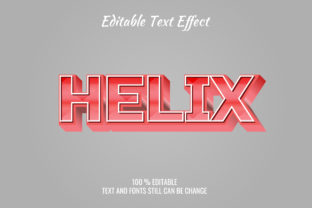
Unlocking the Power of Video Game Text Effect Graphic Style for Modern Design
In the rapidly evolving landscape of digital design, visual impact is often the deciding factor between a forgotten image and a viral sensation. At the forefront of this revolution is the Video Game Text Effect Graphic Style, a methodology that transforms flat typography into immersive, three-dimensional experiences. This approach goes beyond simple decoration; it creates a sense of depth, texture, and atmosphere that draws the viewer directly into the content. Whether you are a professional graphic designer, a hobbyist creating fan art, or a business owner looking to revitalize your brand's marketing materials, understanding this style is essential.
The core philosophy behind these effects lies in their ability to mimic the high-fidelity rendering found in modern gaming engines. By utilizing advanced layering techniques and smart object manipulation, designers can achieve results that previously required complex 3D modeling software. The result is a versatile aesthetic that serves as a bridge between static print media and dynamic digital environments.
The Architecture of Depth: How 3D Typography Works
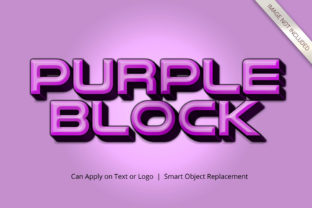
To truly appreciate the Video Game Text Effect Graphic Style, one must understand the mechanics of how flat text gains volume. In traditional design, text exists on a two-dimensional plane. However, when applying a 3D effect, the design process involves simulating light, shadow, and material properties to trick the eye into perceiving depth. This is achieved through a combination of extrusion, bevels, and sophisticated lighting calculations.
Modern workflows have democratized this process. Historically, creating realistic 3D text required expensive hardware and years of training in specialized software. Today, tools like Adobe Photoshop utilize smart objects to streamline the creation of these assets. A smart object allows the designer to embed a layered file within another document. When the original source is updated, all instances of that object update automatically. This feature is critical for maintaining consistency across large projects while allowing for non-destructive editing.
The process typically begins with selecting a font that has strong structural integrity. Once chosen, the text is converted into a shape or layer that can be manipulated. Through the use of Layer Styles, designers apply gradients, shadows, and inner glows to simulate curvature. For example, a metallic finish requires precise control over specular highlights and reflections, mimicking how light bounces off a polished surface. Conversely, a textured effect might involve overlaying noise patterns or grunge brushes to create the look of weathered stone or rusted metal.
Key Characteristics of Cinematic Text Effects
What distinguishes a standard 3D title from a true Cinematic Background style? The answer lies in the attention to detail regarding materials and environmental context. High-quality designs do not just add thickness to letters; they define what those letters are made of. This concept is central to the Video Game Text Effect Graphic Style.
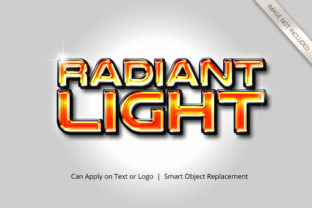
- Metallic Finishes: These effects replicate chrome, gold, steel, or copper. They rely heavily on high-contrast gradients and sharp reflections to convey smoothness and hardness. The CinematicMetallic keyword often refers to this specific subset, where the text gleams under dramatic lighting.
- Nature Lettering: This style integrates organic elements such as moss, bark, or vines into the typography. It requires blending textures seamlessly so that the text appears to be growing out of or carved into natural surfaces. This creates a strong emotional connection with themes of adventure and exploration.
- Glow and Energy: Inspired by sci-fi interfaces, these effects utilize neon colors and particle systems to make text appear powered by energy. This is particularly effective for futuristic game titles or tech product launches.
- Textured Surfaces: Realism often comes from imperfection. Adding scratches, dust, or wear and tear prevents the design from looking too "digital" or sterile. The textured effect ensures that the final output feels tactile and grounded in reality.
These characteristics are not merely aesthetic choices; they serve a narrative function. The style of the text immediately informs the audience about the genre of the content. A jagged, blood-stained font suggests horror, while a sleek, glowing font implies technology. The Real3DFontMaker approach ensures that these stylistic choices are executed with precision, maintaining clarity even at large scales.
Practical Applications Across Industries
The versatility of 3DTextStyle makes it applicable far beyond the realm of video games. While the name suggests a niche market, the underlying principles of depth and engagement are universally valuable. Professionals in various sectors are adopting these techniques to capture attention in crowded digital spaces.
Marketing and Advertising
In the world of advertising, standing out is paramount. A Flyer Mockup featuring a Video Game Text Effect Graphic Style can transform a standard promotional piece into an event experience. Event organizers use these effects for concert posters, product launch invitations, and sports team merchandise. The Auto3dMaker capabilities allow marketers to quickly generate variations of headlines without losing quality, ensuring that every platform, from billboards to social media feeds, receives a tailored version of the message.
Gaming and Entertainment
For developers and streamers, the TypographicEffects available in this style are indispensable. Game trailers, thumbnail images for YouTube, and Twitch overlays benefit immensely from the Effext 3DEffect aesthetic. These visuals communicate excitement and action before a single frame of gameplay is shown. The BackgroundTemplate options allow creators to build cohesive branding kits that look professional and consistent across all their content.
Educational and Research Materials
Even in academia and education, visual engagement plays a crucial role. Educators creating presentations or infographics can use 3DLayerStyle techniques to highlight key terms and concepts. By making important words pop off the page, students are more likely to retain information. Researchers presenting data at conferences can use these styles to make their charts and titles more memorable, moving away from boring, flat slides.
Workflow Efficiency and Accessibility
One of the most significant advantages of the modern Video Game Text Effect Graphic Style is the removal of technical barriers. The phrase No Skill Requirement is often associated with these templates because they are designed to be user-friendly. The workflow relies heavily on the smart object architecture, which simplifies the editing process significantly.
Traditionally, changing a 3D element involved adjusting dozens of individual layers, tweaking lighting angles, and re-rendering complex scenes. With current solutions, the entire 3D structure is encapsulated. To change the text, the user simply double-clicks the smart object icon, edits the text in the source file, saves it, and the 3D effect updates instantly. This 100 Editable nature means that users can experiment freely without fear of breaking the design.
This accessibility extends to the resolution and quality of the output. Most professional packages offer High Resolution files capable of printing at 300 DPI. This ensures that whether the design is used for a small mobile screen or a massive billboard, the text remains crisp and clear. The Well Organized Layers system further aids users by grouping related elements logically, making it easy to locate specific settings like shadows, reflections, or texture overlays.
Selecting the Right Tools and Assets
To achieve the best results, designers must choose assets that align with their specific needs. The market offers a wide array of Font Style options, ranging from bold block letters to elegant serifs. The choice of font interacts differently with various 3DStyles. For instance, a thick, sans-serif font works exceptionally well with metallic effects, while a handwritten script might look better with a textured, organic finish.
When searching for resources, keywords like Cinematics Font and 3DText Texture are vital. These terms help filter through generic clip art to find high-quality, production-ready assets. It is important to note that the quality of the final image depends on the quality of the base textures. A BackgroundTemplate with low-resolution images will result in a pixelated final product, regardless of how good the 3D effect is.
Furthermore, the concept of Excellent For All Text and Shapes suggests that these effects are not limited to words alone. Designers can apply these same principles to logos, icons, and geometric shapes. This flexibility allows for the creation of complete visual identities rather than just isolated text treatments. The Very Versatile Suitable For Many Styles attribute ensures that a single asset pack can support multiple campaigns or projects.
Considerations for Implementation
While the tools are powerful, successful implementation requires a strategic approach. Designers must consider readability above all else. A highly stylized TextEffect should never compromise the legibility of the message. If the text is too dark against a busy background or if the shadows obscure the letterforms, the communication fails. Balancing artistic flair with functional design is a skill that separates amateurs from professionals.
Another consideration is the target medium. A design optimized for a web banner may need different contrast levels than one intended for print. The LayerStyle settings can often be adjusted to account for these differences. For example, print designs may require darker shadows to compensate for the lack of backlighting, whereas digital designs can afford to be brighter and more vibrant.
Finally, staying updated with trends is essential. The Video Game Text Effect Graphic Style evolves alongside gaming technology. As graphics engines become more realistic, audiences expect higher fidelity in design work. Incorporating new trends, such as volumetric lighting or ray-traced reflections, keeps designs fresh and relevant. However, classic styles remain timeless, offering a reliable foundation for long-term branding.
The Future of Dynamic Typography
As we move forward, the integration of 3D text effects into everyday design will only deepen. The line between static and dynamic content continues to blur, driven by advancements in display technology and software capabilities. The 3DStyle is no longer just a novelty; it is becoming a standard expectation for high-end visual communication.
The ability to create Flayer LayerStyle (Flyer Layer Style) effects with ease empowers a broader range of creators to produce professional-grade work. From independent artists selling prints to corporations launching global campaigns, the tools are now in everyone's hands. The Effext 3DEffect represents a shift towards more immersive storytelling, where every word carries weight and presence.
In conclusion, mastering the Video Game Text Effect Graphic Style opens up a world of creative possibilities. By leveraging the power of smart objects, high-resolution textures, and intuitive workflows, designers can craft visuals that captivate and inspire. Whether focusing on NatureLettering or CinematicMetallic finishes, the goal remains the same: to create something that stands out in a noisy world. As the industry continues to evolve, those who embrace these techniques will lead the way in defining the future of visual design.