3D Backgrounds: Integrating Depth and Dimension into Your Creative Workflow
In the modern digital landscape, visual communication has evolved beyond flat layouts. Professionals across marketing, education, and design are increasingly seeking ways to capture attention through depth, texture, and spatial awareness. This is where 3D Backgrounds become an essential asset in your toolkit. Far from being mere decorative elements, these assets serve as foundational layers that set the tone for a project, enhance user engagement, and provide a structured environment for complex information.
Whether you are designing a presentation for a high-stakes pitch, creating educational materials for students, or developing a mobile application interface, the choice of background can dictate the perceived quality and professionalism of your output. These assets, available in standard JPG formats, offer a versatile solution for projects requiring abstract patterns, geometric precision, or immersive interior concepts. By understanding how to integrate 3D Backgrounds effectively, you can streamline your creative process and ensure consistency across all deliverables.
The Role of 3D Backgrounds in Modern Design Processes
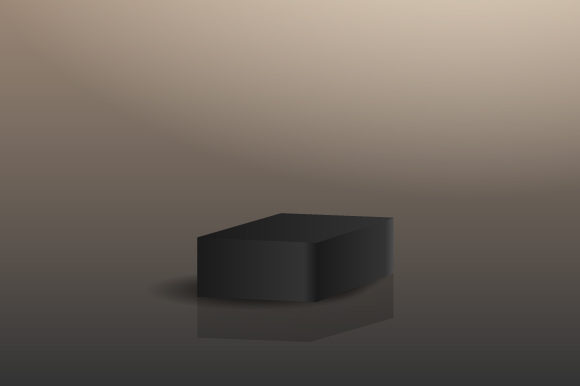
To understand the value of 3D Backgrounds, one must first recognize their function within a broader design ecosystem. In traditional workflows, backgrounds were often static colors or simple gradients. Today, the demand for realism and immersion requires more dynamic solutions. A 3D Background provides a sense of scale and perspective that flat images cannot achieve. It acts as a stage upon which your primary content—be it text, data visualization, or product imagery—performs.
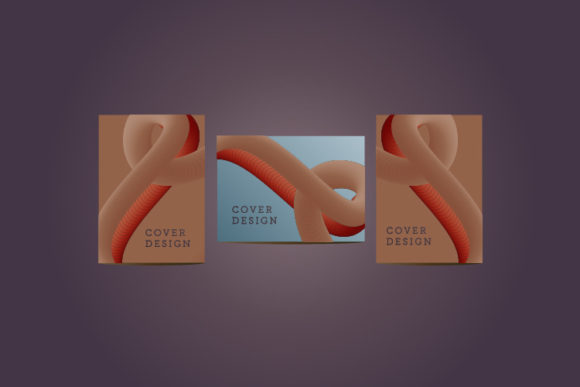
When working on a project, the background is rarely an afterthought; it is a strategic decision made during the planning phase. For instance, a marketer launching a new tech product might select a geometric 3D pattern to convey innovation and structure. Conversely, an interior designer presenting a concept might choose a realistic 3D rendering of a room to help clients visualize the final space. The versatility of these assets allows them to adapt to various contexts without losing their core aesthetic integrity.
The availability of these files in JPG format ensures broad compatibility. Unlike proprietary 3D model files that require specific software to render, JPG backgrounds can be imported directly into image editors, presentation software, web browsers, and print layouts. This accessibility removes technical barriers, allowing creators to focus on execution rather than file conversion or rendering times.
Strategic Integration Across Different Workflows
The utility of 3D Backgrounds extends across multiple stages of a project lifecycle. Understanding when and how to deploy these assets can significantly improve efficiency and outcome quality.
- Pre-Production and Concepting: During the initial brainstorming phase, designers often use 3D Backgrounds to establish a mood board. These images help teams align on the visual direction before committing resources to detailed production. An educator might use an abstract 3D pattern to inspire a theme for a semester-long course, ensuring all subsequent materials share a cohesive look.
- During Production: Once the project moves into active creation, the background serves as the canvas. For illustrators, a 3D background provides context for characters or objects, grounding them in a believable environment. In web design, these backgrounds create depth behind UI elements, improving readability and guiding the user's eye toward call-to-action buttons.
- Post-Production and Delivery: Even after the main content is finalized, the background plays a critical role in the final polish. High-quality 3D textures can elevate a simple slide deck into a professional presentation. For small business owners, using consistent 3D wallpapers for internal dashboards or client portals reinforces brand identity and creates a polished user experience.
This phased approach highlights that 3D Backgrounds are not just finished products but flexible tools that interact with other resources throughout the workflow. They bridge the gap between conceptual ideas and tangible results, providing a visual anchor that keeps the project grounded.
Technical Considerations and Quality Control
While the visual impact of 3D Backgrounds is immediate, successful implementation requires attention to technical details. Since these assets are provided in JPG format, resolution and compression are key factors to consider. A low-resolution background used in a large-scale print project will appear pixelated, undermining the professional appearance of the entire piece. Therefore, verifying the dimensions and DPI (dots per inch) of the file before starting work is a crucial step in quality control.
Compatibility is another vital aspect. While JPGs are widely supported, they do not support transparency. If your design requires a floating element or a complex overlay, you may need to composite the 3D Background with other layers carefully. Designers should be aware of how the background interacts with foreground elements. A busy geometric pattern might distract from important text, whereas a subtle abstract gradient might enhance it. Testing different contrast levels and layering techniques ensures that the background supports rather than competes with the primary content.
Organization also plays a significant role in maintaining efficiency. As professionals accumulate a library of 3D Backgrounds, keeping them organized by style, color, or usage type saves valuable time. Tagging files with metadata such as "geometric," "interior," or "abstract" allows for quick retrieval during tight deadlines. This systematic approach prevents the common pitfall of searching for hours for the right asset, thereby boosting overall productivity.
Practical Applications in Specific Industries
The adaptability of 3D Backgrounds makes them suitable for a wide range of industries. Let us explore how different sectors leverage these assets to achieve their specific goals.
Marketing and Advertising
Marketers constantly battle for consumer attention. In this competitive arena, 3D Backgrounds offer a way to break through the noise. Abstract patterns and geometric designs can be used to create visually striking social media ads or banner campaigns. By utilizing depth, brands can make their messages pop against the clutter of a flat feed. Furthermore, these backgrounds can be easily resized and adapted for various platforms, from Instagram stories to billboards, ensuring a consistent brand presence.
Interior Design and Architecture
For interior designers and architects, 3D Backgrounds are invaluable for visualization. Instead of relying solely on wireframes or sketches, professionals can present clients with photorealistic 3D wallpapers that depict the proposed space. This helps clients understand lighting, material textures, and spatial relationships better. Whether it is a residential renovation or a commercial office setup, these assets facilitate clearer communication and faster decision-making.
Education and Content Creation
Educators and bloggers benefit from 3D Backgrounds by making learning materials more engaging. Static textbooks are becoming less effective for digital-native audiences. By incorporating 3D patterns and abstract designs into slides, infographics, and online courses, educators can maintain student interest and improve information retention. The visual complexity of these backgrounds can also stimulate curiosity, encouraging learners to explore the subject matter more deeply.
Maximizing Efficiency and Consistency
One of the most significant advantages of using pre-made 3D Backgrounds is the ability to maintain consistency across a portfolio of work. For freelancers and publishers who manage multiple clients, having a curated selection of high-quality backgrounds ensures that every deliverable meets a high standard. This consistency builds trust with clients and strengthens the creator's reputation.
Furthermore, integrating these assets into your workflow reduces the time spent on asset creation. Instead of modeling a complex scene from scratch, a designer can start with a robust 3D Background and focus their energy on the unique elements of the project. This shift in focus accelerates the production cycle, allowing for quicker turnaround times without sacrificing quality. It is a practical strategy that balances creativity with operational efficiency.
When selecting a background, consider the long-term usability of the asset. Trends change rapidly, but timeless geometric patterns and neutral abstract designs tend to remain relevant longer. Investing in versatile 3D Backgrounds that can be repurposed for future projects maximizes the return on investment. This forward-thinking approach is essential for entrepreneurs and small business owners looking to build sustainable, scalable visual systems.
Conclusion: Elevating Your Visual Strategy
The integration of 3D Backgrounds into your creative process represents a shift towards more dynamic and engaging visual communication. By leveraging these assets, professionals can enhance the depth and appeal of their work while streamlining their workflows. From the initial planning stages to the final delivery, these backgrounds serve as a critical component in achieving professional results.
Whether you are a marketer crafting a campaign, an educator designing a lesson, or a freelancer delivering a client project, the right background can make all the difference. With their availability in convenient JPG formats and their suitability for a wide array of applications, 3D Backgrounds are a practical and powerful addition to any creative arsenal. Embracing these tools allows you to focus on what matters most: delivering exceptional value through thoughtful design and strategic execution.