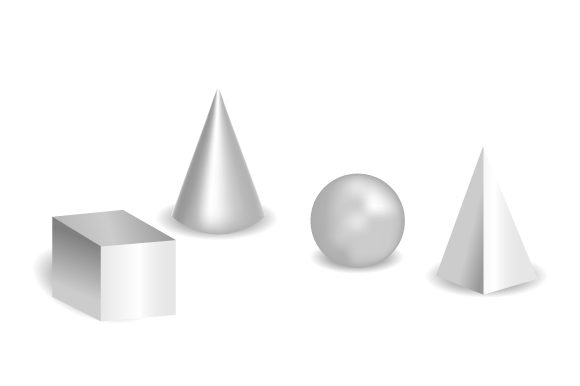
3d Gradient Geometric Shapes Design: Transforming Spaces with Modern Aesthetics
In the rapidly evolving world of visual design and interior aesthetics, finding a balance between modern minimalism and vibrant expression can be challenging. This is where 3d gradient geometric shapes design emerges as a transformative solution. By combining the structural clarity of geometry with the depth and richness of color gradients, this design style offers a versatile toolkit for creating environments that are both visually striking and functionally sophisticated. Whether you are an architect looking to redefine a facade or a homeowner seeking a unique focal point, understanding the potential of these designs opens up a new realm of creative possibilities.
Understanding the Essence of 3D Gradient Geometry
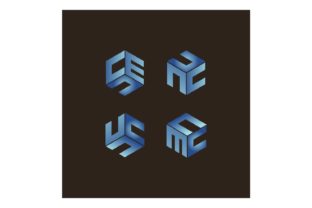
At its core, 3d gradient geometric shapes design refers to the application of multi-tonal color transitions across three-dimensional forms. Unlike flat vector graphics, which rely on solid blocks of color, this approach uses light, shadow, and hue shifts to create an illusion of volume and texture. The "geometric" aspect provides structure through triangles, hexagons, cubes, and spheres, while the "gradient" element adds fluidity and movement. When these two elements merge, they produce a dynamic visual effect that captures attention without overwhelming the senses.
This design philosophy addresses a common challenge in contemporary spaces: the risk of sterility. Pure white or monochromatic rooms often feel clean but can lack warmth and personality. Conversely, overly complex patterns can make a space feel cluttered. 3d gradient geometric shapes design solves this by introducing depth and interest through subtle variations in color and form. It allows designers to manipulate how light interacts with surfaces, making a room feel larger, cozier, or more energetic depending on the specific configuration chosen.
Addressing Interior Design Challenges
Many homeowners and professionals face specific hurdles when trying to refresh their living or working environments. One of the most frequent issues is the difficulty of integrating art into a space without it feeling like an afterthought. Traditional paintings can sometimes clash with modern furniture, while abstract sculptures may not fit every budget. Furthermore, achieving a cohesive look across different rooms requires a unifying theme that is easy to replicate yet distinct enough to maintain interest.
3d gradient geometric shapes design offers a practical remedy to these problems. Because the design relies on fundamental shapes and color theory rather than specific imagery, it is incredibly adaptable. It can serve as a standalone feature wall, a backdrop for digital displays, or even a guide for physical decor arrangements. The primary goal here is to create a sense of harmony. By using consistent geometric motifs and a curated gradient palette, you can tie disparate elements of a room together seamlessly.
Another significant need in modern design is the desire for personalization. Mass-produced decor often fails to reflect individual tastes. With 3d gradient geometric shapes design, the customization options are virtually limitless. You can adjust the angle of the shapes, the speed of the color transition, and the intensity of the lighting effects to match your specific mood or brand identity. This flexibility ensures that the final result feels tailored and intentional, rather than generic.
Practical Applications and Outcomes
The utility of 3d gradient geometric shapes design extends far beyond simple decoration. In commercial settings, such as retail stores or corporate lobbies, these designs can be used to guide customer flow and highlight key products. The directional nature of gradients naturally draws the eye toward a specific area, making them excellent tools for wayfinding and merchandising. For example, a gradient flowing from dark blue to bright teal over a series of hexagonal panels can subtly direct foot traffic toward a new product launch display.
In residential interiors, the applications are equally compelling. Imagine a staircase featuring risers adorned with 3d gradient geometric shapes design. The play of light on the angled surfaces creates a shimmering effect that turns a utilitarian space into a work of art. Similarly, using these designs for ceiling treatments can add height and drama to a room, particularly in spaces with low ceilings where traditional molding might feel too heavy.
For digital users and content creators, the impact of this design style is profound. Websites and apps utilizing 3d gradient geometric shapes design often see higher engagement rates because the interface feels alive and interactive. The depth created by the gradients encourages users to explore further, reducing bounce rates and increasing time spent on the platform. The outcome is a digital experience that feels premium and high-tech without requiring expensive hardware or complex animations.
Navigating Implementation: Tools and Considerations
Bringing 3d gradient geometric shapes design to life requires careful planning and the right resources. The versatility of this style is matched only by the variety of file formats available to support it. Professionals typically access assets in AI (Adobe Illustrator) for editable vector paths, EPS (Encapsulated PostScript) for high-quality print production, JPG for quick web previews, and PNG for transparent backgrounds needed in digital compositing. Having access to all four formats ensures that the design can be scaled from a small mobile screen to a massive billboard without losing quality.
When approaching implementation, it is crucial to consider the environment where the design will reside. In physical spaces, the material choice plays a vital role. A glossy finish will enhance the reflective qualities of the gradients, making the colors pop, while a matte finish will diffuse the light, creating a softer, more ambient glow. Designers must also account for natural versus artificial lighting; a gradient that looks stunning under studio lights might appear muddy in dim natural light. Testing samples in the actual location before full-scale installation is always recommended.
Different users may approach this topic with varying levels of technical expertise. Graphic designers might focus on the manipulation of layers and blend modes within software to achieve the perfect gradient flow. Meanwhile, interior decorators might prioritize the physical dimensions and placement of the shapes to ensure they complement existing furniture. Despite these differences in approach, the underlying principle remains the same: use the geometry to provide structure and the gradient to provide emotion.
Maximizing Value Through Strategic Use
To truly get the most out of 3d gradient geometric shapes design, one should view it as a strategic asset rather than just a decorative trend. Start by identifying the emotional response you want to evoke in your audience. Are you aiming for calm and relaxation? Opt for cool tones like blues and purples with slow, smooth gradients. Do you want to inspire energy and innovation? Warm oranges, reds, and yellows with sharper transitions can stimulate activity.
Furthermore, consistency is key. Whether you are designing a single room or an entire building, repeating the geometric motif across different elements—such as tiles, textiles, and signage—creates a strong brand identity or thematic cohesion. The availability of AI and EPS files allows you to easily adapt these repeating patterns to various scales, ensuring that the design language remains consistent from a business card to a building facade.
In conclusion, 3d gradient geometric shapes design represents a powerful intersection of art, technology, and functionality. It addresses the modern need for spaces that are both aesthetically pleasing and purposeful. By leveraging the right file formats and understanding the psychological impact of color and form, anyone can transform their environment. Whether you are refreshing a home office, redesigning a storefront, or enhancing a digital presence, this design approach offers a reliable path to creating memorable and impactful experiences.