Vector of Treatment for Lung Disease: A Visual Guide
When you first encounter the Vector of Treatment for Lung Disease, it is not just another graphic asset; it is a carefully constructed visual narrative about health, clarity, and modern medical innovation. This illustration moves beyond standard medical clip art by employing a flat design aesthetic enhanced with subtle 3D gradations. The result is a sophisticated look that feels both accessible and authoritative. For designers, marketers, and content creators working in the healthcare or wellness sectors, this specific vector offers a unique opportunity to communicate complex respiratory concepts without relying on cluttered or outdated imagery.
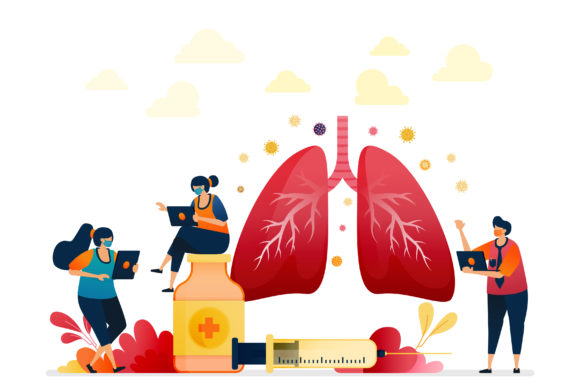
The visual personality of this piece is defined by its clean lines and strategic depth. Unlike traditional flat icons that can sometimes feel sterile or two-dimensional, the 3D gradations here add a layer of realism that draws the eye. You will see how the depiction of drugs and injections for lung surgery is rendered with precision, balancing the technical nature of medical procedures with an approachable, friendly tone. This balance is crucial when designing materials for adults aged 20 to 50 who are actively seeking information about their health but may feel intimidated by clinical environments. The illustration serves as a bridge between technical medical data and user-friendly understanding.
Visual Characteristics and Design Appeal
The core strength of the Vector of Treatment for Lung Disease lies in its ability to convey "Health of respiration" through a modern lens. The flat design style ensures that the image remains crisp at any size, from a tiny mobile app icon to a massive billboard banner. However, the magic happens in the details. The 3D gradations provide a sense of volume and texture, making elements like syringes, pills, and anatomical representations pop against the background without breaking the minimalist aesthetic.
This style is particularly effective for brand identity projects where trust is paramount. When a healthcare startup or a pharmaceutical company needs to establish credibility, they cannot afford visuals that look cheap or generic. This vector illustration brings a premium feel to the table. It suggests that the brand behind the image values quality, precision, and patient care. The color palette, typically featuring soft blues, clean whites, and gentle gradients, evokes feelings of calmness and hygiene, which are essential psychological triggers in medical marketing.
For creative professionals, the versatility of this asset is a major selling point. It functions as a standalone hero image for a landing page or as a supporting element in a larger infographic. The editable EPS 10 format means that every curve, shadow, and gradient is fully manipulatable. If your brand guidelines require a slight shift in hue to match a specific corporate blue, you can adjust the vector layers directly. Similarly, if you need to isolate the injection component to use in a step-by-step guide, the vector structure allows for easy extraction without loss of quality.
Strategic Applications Across Media
Where does this illustration fit best in the modern digital ecosystem? The answer is almost everywhere. In the realm of web design, it serves as an excellent focal point for articles discussing respiratory health, post-operative care, or new drug therapies. Its high-quality JPEG version ensures fast loading times while maintaining sharpness on high-resolution retina displays. For mobile apps focused on health tracking or telemedicine, the vector's scalability ensures it looks perfect on everything from a smartwatch screen to a tablet interface.
Marketing campaigns benefit significantly from the professional polish of this design. Whether you are creating social media graphics for Instagram, LinkedIn banners, or email newsletters, the Vector of Treatment for Lung Disease provides a consistent visual anchor. In print media, such as brochures, posters, and magazine ads, the vector format guarantees that the final output is razor-sharp. The 3D effects translate beautifully to physical paper, adding a tactile dimension that flat colors often lack.
Publishers and bloggers will find this asset invaluable for editorial design. When writing about topics like lung cancer awareness, COPD management, or surgical advancements, having a high-quality, relevant image helps break up text and keeps readers engaged. It transforms a dry informational article into a visually appealing experience. Furthermore, for small business owners in the fitness or wellness niche, using this imagery can help position their services as scientifically backed and professionally managed.
Influencing Perception and Engagement
Visuals do more than just decorate; they shape perception. The choice to use a flat design with 3D gradations signals a blend of tradition and innovation. It tells the audience that the subject matter is grounded in established medical science (the flat, structured layout) but is being approached with cutting-edge solutions (the dynamic 3D lighting). This duality is powerful for building audience engagement.
Readability and visual hierarchy are also enhanced by this style. The clear distinction between different elements—such as the medication versus the surgical tools—helps viewers quickly grasp the message. In a busy social media feed, users scan content rapidly. A well-structured vector like this cuts through the noise, directing attention exactly where it needs to go. It reduces cognitive load, allowing the viewer to understand the concept of "lung disease treatment" instantly without needing to decipher a complex diagram.
Furthermore, consistency is key to brand recognition. By integrating this specific vector across all touchpoints—from the website header to the packaging of a related product—you create a cohesive brand story. This repetition reinforces the association between your brand and reliable, high-quality respiratory care. It elevates the perceived value of your content, making it stand out against competitors who might rely on stock photos or low-resolution images.
Practical Guidance for Implementation
If you are considering incorporating the Vector of Treatment for Lung Disease into your next project, start by evaluating your current visual assets. Does your current branding feel too rigid or too casual? This vector can often be the missing link that adds necessary sophistication. Before purchasing or downloading, review the included styles and file formats. Ensure that the EPS 10 compatibility matches your software workflow, whether you are using Adobe Illustrator, CorelDRAW, or other vector editing tools.
When planning your layout, think about font pairing. While this is an illustration, the typography surrounding it matters immensely. Pairing this detailed visual with a clean sans serif font can maintain the modern aesthetic, while a strong serif font might lend a more editorial or academic tone. Test these combinations in your mockups to ensure the text remains legible against the gradients of the image. Remember, the goal is harmony, not competition between the text and the graphic.
Finally, always consider the licensing terms, especially for commercial use. Since this asset is designed for online and print media ads, website banners, and marketing materials, ensuring you have the appropriate rights is critical. Once secured, treat the vector as a flexible design component rather than a static image. Experiment with overlays, color tints, and compositional changes to make it uniquely yours. By leveraging the full potential of this illustration, you create content that not only informs but also inspires confidence and trust in your audience.